Google Translate Headphones: The Future of Real-Time Language Translation - techsathi.com
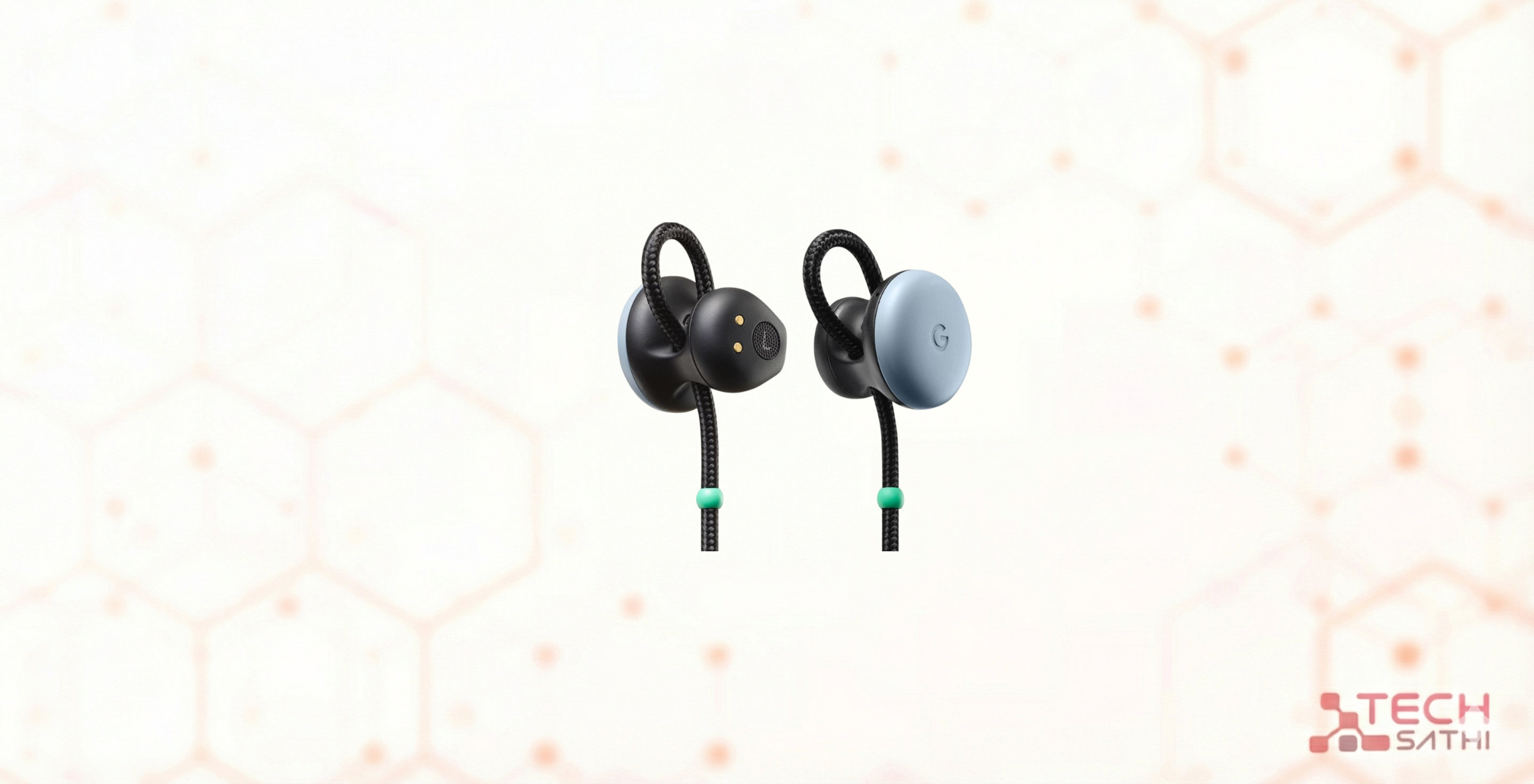
Google continues to push the boundaries of artificial intelligence with the concept of Google Translate headphones. These smart headphones aim to deliver real-time language translation, allowing people who speak different languages to communicate naturally. If widely adopted, this technology could transform global travel, business, and education. What Are Google Translate Headphones? Google Translate headphones are smart audio devices designed to translate spoken language instantly. The headphones capture speech, process it through Google Translate, and play the translated audio to the listener. This creates a smooth, hands-free conversation experience. Unlike traditional translation apps, these headphones remove the need to read or type. Users can focus fully on the conversation. How Do Google Translate Headphones Work? The headphones connect to a smartphone using Bluetooth. Google Translate processes the audio through cloud-based AI and machine learning models. The system then delivers the translated speech directly into the headphones. Two people can speak in different languages while hearing translations in near real time. This enables natural, two-way communication. Key Features Expected Real-Time Translation The core feature is instant voice translation. The system delivers translated speech within seconds. Wide Language Support Google Translate supports over 100 languages. This broad coverage allows users to communicate across regions and cultures. AI-Driven Accuracy Google’s AI models analyze context, tone, and sentence structure. This improves translation accuracy over time. Hands-Free Experience Users can communicate without touching their phones. This makes the headphones suitable for travel, meetings, and live conversations. Global Use Cases These headphones could impact many industries and daily activities: International travel and tourism Global business meetings Education and academic exchanges Multilingual customer service Cross-border collaboration The technology could help people connect faster and reduce misunderstandings caused by language barriers. Availability and Pricing Expectations Google has not officially released dedicated Google Translate headphones yet. Some existing Pixel earbuds already offer limited live translation features. Industry experts expect Google to expand these capabilities into a more advanced product. Pricing may fall into the mid-to-premium range, depending on hardware quality and AI features. Limitations and Challenges Real-time translation still depends on strong internet connectivity. Background noise, accents, and informal speech may affect accuracy. Privacy concerns around voice processing may also influence adoption. Despite these challenges, Google continues to improve translation models through ongoing AI research. Final Thoughts Google Translate headphones signal a major shift in how people communicate across languages. By combining AI, voice recognition, and real-time translation, Google aims to make global conversations effortless. While the technology remains in development, its potential is clear. If Google delivers reliable performance and wide accessibility, It could redefine global communication in the coming years. The post Google Translate Headphones: The Future of Real-Time Language Translation appeared first on TechSathi.