World Toilet Day
By
Nepali Patro
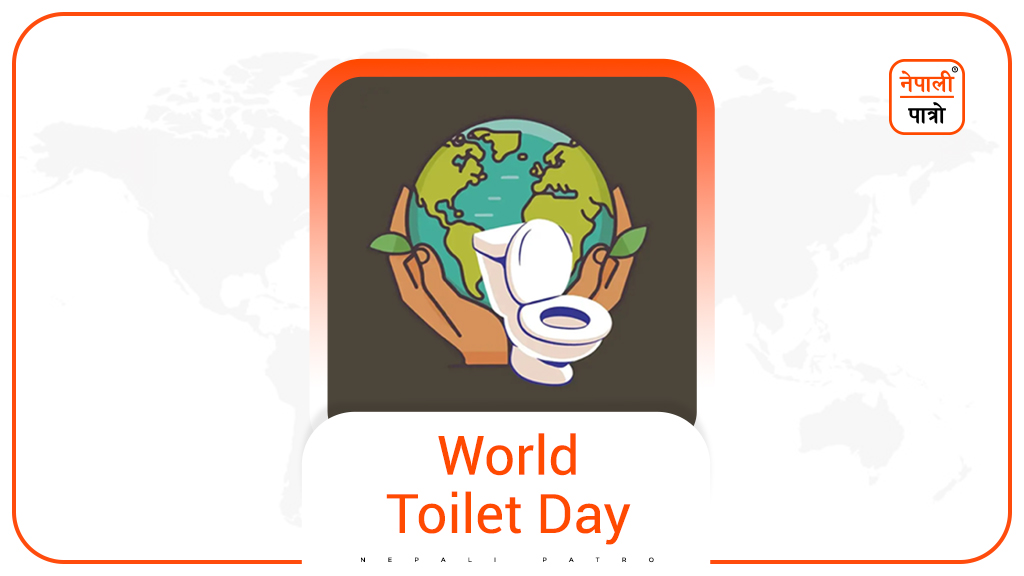
Sanitation is a basic human right, yet billions live without it. World Toilet Day is observed every year on November 19 and raises awareness about the importance of safe sanitation for all. The day reminds everyone that toilets save lives by preventing disease, protecting dignity, and improving quality of life.
History of World Toilet Day
World Toilet Day began in 2001, initiated by the World Toilet Organization. In 2013, the United Nations officially recognized it as an international day. Since then, it has been used to highlight global sanitation challenges and drive progress toward Sustainable Development Goal 6: clean water and sanitation for all.
Why Sanitation Matters
Access to toilets is not only about hygiene. It affects health, safety, education, and gender equality. Poor sanitation spreads diseases such as diarrhea, cholera, and typhoid. Women and girls face safety risks when toilets are unavailable or unsafe. In schools, the lack of toilets forces many girls to skip classes during menstruation, widening the education gap.
According to the United Nations, more than 3.5 billion people live without safe sanitation. Around 419 million still practice open defecation. These numbers reflect inequality in access to basic services. Rural areas and low-income communities are most affected.
The Impact of Safe Toilets
Safe toilets protect public health by preventing waste contamination. They keep water sources clean and reduce disease outbreaks. In households, toilets support privacy and dignity. In schools and workplaces, they help create safe and productive environments.
What You Should Do
- Keep toilets clean and functional in your home and workplace.
- Use water responsibly and avoid flushing non-degradable waste.
- Support community projects focused on sanitation and hygiene.
- Educate children on proper toilet use and handwashing habits.
- Advocate for better sanitation services in your area.
Role of Governments and Organizations
Sanitation should never be a privilege. Governments and development agencies must continue investing in sanitation infrastructure. Affordable toilets, proper waste management, and clean water supply are essential. Public campaigns and education programs can help change behavior and encourage long-term hygiene practices.