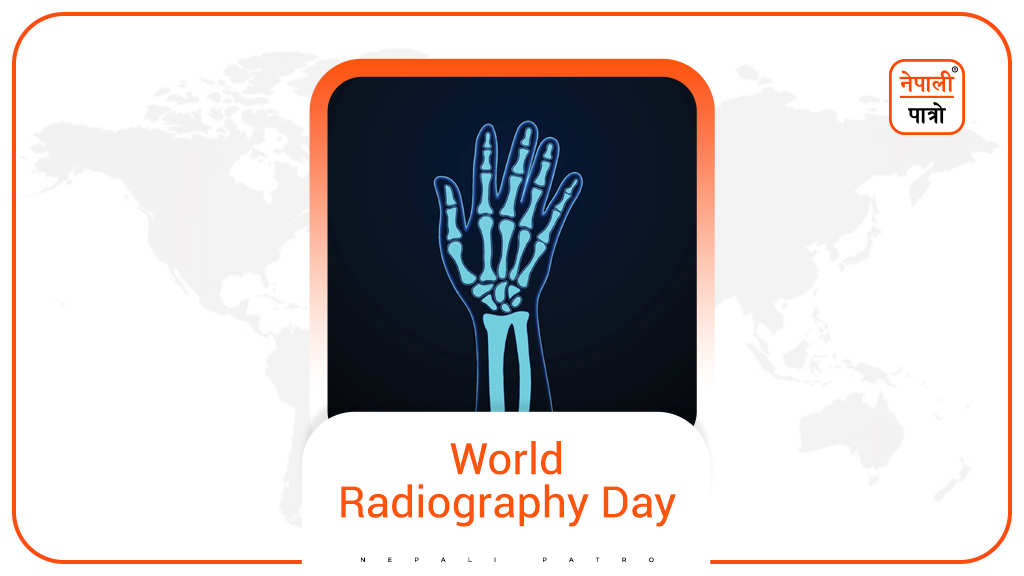
World Radiography Day
By
Nepali Patro
Every year on November 8, World Radiography Day is celebrated to mark the discovery of X-rays by Wilhelm Conrad Roentgen in 1895. This day is not just about a historical achievement in science. It is an opportunity to recognize the vital role of radiographers and medical imaging professionals who contribute to accurate diagnosis, patient care, and modern medicine.
The Discovery That Changed Medicine
On November 8, 1895, German physicist Roentgen made a revolutionary discovery that would transform healthcare forever. His discovery to capture internal images of the human body without surgery laid the foundation for radiology. This field is now essential in detecting fractures, tumors, infections, and more.
Why Radiography Matters
Radiography, which involves imaging techniques like X-rays, CT scans, MRIs, and ultrasound, plays a crucial role in modern healthcare. It enables early and non-invasive diagnosis, supports surgical planning, and aids in monitoring the progress of treatments. Radiographers, who operate the machines and interpret imaging results, are crucial to this process. Their technical skills and medical knowledge help ensure patient safety and precise results.
Radiography in the Context of Public Health
In many countries, including developing nations, access to proper diagnostic imaging is still limited. World Radiography Day is also a call to action for improving access to radiological services and ensuring that qualified professionals are available to operate equipment safely and ethically.
Conclusion
World Radiography Day is a reminder of how far medical science has come since the discovery of X-rays. It also highlights the everyday efforts of radiographers who make invisible conditions visible. Their work not only informs diagnosis and treatment but also builds trust in the healthcare process through precision and care.