World Post Day
By
Nepali Patro
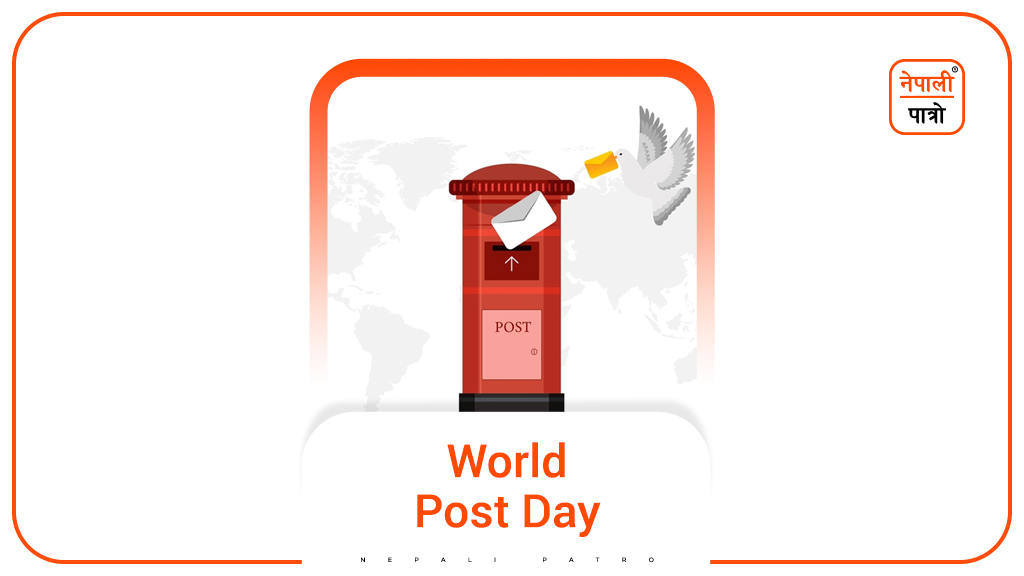
World Post Day marks the anniversary of the establishment of the Universal Postal Union (UPU) in 1874 in Bern, Switzerland. Observed every year on October 9, this day highlights the role of the postal sector in everyday life for individuals and businesses and its contribution to global social and economic development. Recognized by the United Nations as an essential public service, the postal system remains a powerful medium of communication even in today’s digital era.
Historical Background
World Post Day was declared by the Universal Postal Union during its 1969 Congress, which was held in Tokyo, Japan. The purpose was to create awareness of the postal sector’s importance and its role in the development of nations. Since then, countries across the world have celebrated the day by launching new postal initiatives, improving services, and organizing philatelic exhibitions and competitions.
The Universal Postal Union also holds an annual International Letter Writing Competition for Young People to encourage literacy and creative expression among youth.
Significance of the Postal System
Postal services ensure connectivity across urban and rural areas, bridging the communication gap regardless of geography. For many communities, especially in remote areas, postal services offer an accessible and affordable means of communication.
In several countries, post offices also provide essential financial services, including savings accounts, remittance, and bill payments, playing a key role in financial inclusion. Beyond letters, post offices deliver medicines, educational materials, government documents, and e-commerce parcels.
Modern Role of Postal Services
With the rise of the internet, the nature of postal services has evolved. Many postal organizations have adapted to the digital transformation by offering hybrid mail services, digital money transfers, and logistical support for e-commerce businesses. Despite these changes, the core mission is the same: to connect people.
In times of global crises such as pandemics and natural disasters, postal services have proven to be lifelines, ensuring the delivery of essential goods and maintaining communication.
Conclusion
In an age of instant messaging, the value of a handwritten letter or the reliability of a local post office should not be forgotten. The postal sector continues to adapt, innovate, and serve as a vital connector of lives and livelihoods.