World Diabetes Day
By
Nepali Patro
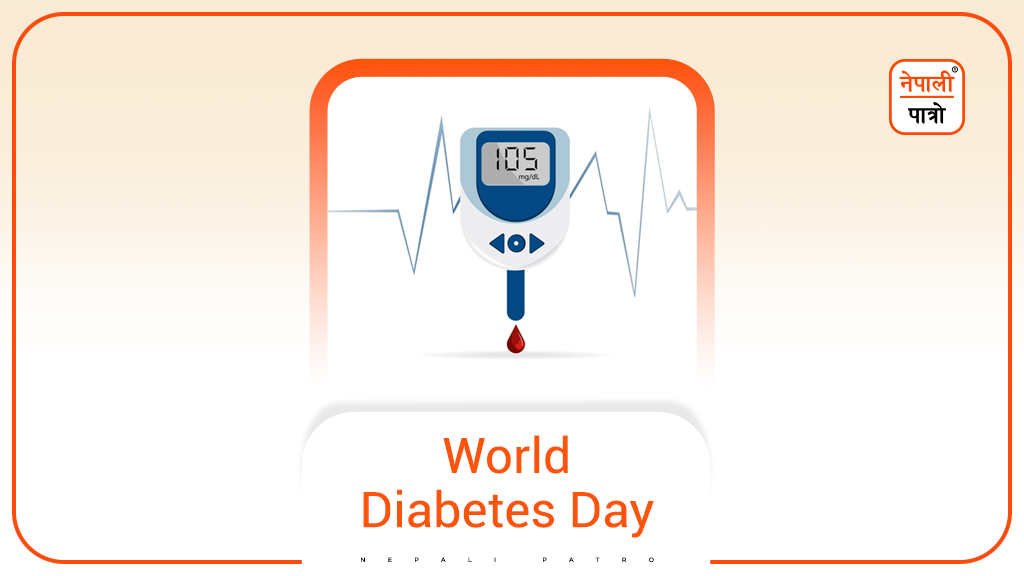
World Diabetes Day is observed each year on November 14 to raise awareness about diabetes, its impact on lives, and the importance of early detection and proper management. The date also commemorates the birthday of Sir Frederick Banting who is one of the co-discoverers of insulin in 1921. His work has saved countless lives and continues to offer hope to millions around the world.
This global campaign was launched in 1991 by the International Diabetes Federation and the World Health Organization. It responds to the growing concerns about the escalating health threat that diabetes poses worldwide.
What Is Diabetes?
Diabetes is a chronic health condition that affects how your body processes blood sugar or glucose. The body either fails to produce enough insulin or cannot use the insulin it makes effectively. This leads to high levels of glucose in the blood, which can damage organs over time if not managed properly.
There are two main types of diabetes:
Type 1 Diabetes is an autoimmune condition in which the body attacks its own insulin-producing cells. It is usually diagnosed in childhood or adolescence and requires lifelong insulin therapy. Type 2 Diabetes is more common and often develops in adults. It is linked to genetics, aging, and lifestyle factors such as lack of exercise, poor diet, and obesity.
There is also gestational diabetes, which occurs during pregnancy and increases the risk of developing type 2 diabetes later.
Common Symptoms of Diabetes
Recognizing the early signs of diabetes is essential. Many people may live with the condition for years without knowing it. Below are common symptoms to watch for:
- Frequent urination
- Excessive thirst
- Unexplained weight loss
- Extreme fatigue
- Blurred vision
- Slow-healing cuts and wounds
- Increased hunger,
- Tingling, pain, or numbness in hands or feet (especially in type 2 diabetes)
Why Awareness Is Important
Diabetes is often silent in its early stages but can lead to serious complications if left untreated. These include heart disease, kidney failure, nerve damage, and vision problems. Many of these outcomes can be prevented with regular monitoring, healthy lifestyle changes, and timely medical care.
World Diabetes Day is a platform to educate people, challenge myths, and break the silence around this global health issue. It also encourages policymakers and healthcare providers to improve access to quality diabetes care and education.
Moving Forward Together
World Diabetes Day is not just about one condition. It is about the right to health, the importance of awareness, and the value of prevention. Every person can make a difference by staying informed, supporting others, and taking steps to lead a healthier life.
Together, with education and action, we can reduce the burden of diabetes and create a world where everyone has the chance to live well.