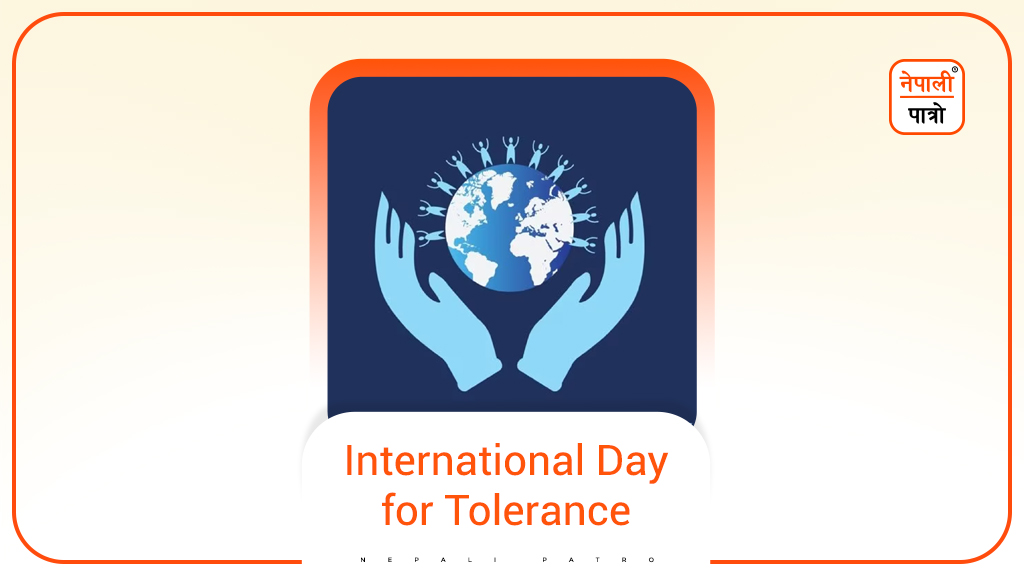
World Day for Tolerance
By
Nepali Patro
World Day for Tolerance, observed every year on November 16, is a global reminder of the importance of embracing diversity, respecting differences, and promoting peaceful coexistence. Initiated by UNESCO in 1995, this observance calls on individuals and institutions alike to uphold the values of mutual respect, understanding, and human dignity. In an increasingly interconnected world, tolerance is not just a virtussse but a necessity for building inclusive and harmonious societies.
The Origin and Purpose of the Day
The idea for this day was formalized when UNESCO adopted the Declaration of Principles on Tolerance in 1995, marking its 50th anniversary. This declaration emphasized that tolerance is not passive acceptance but an active commitment to recognizing and protecting the universal human rights and fundamental freedoms of others. It highlighted that tolerance is essential for democracy, social cohesion, and peace. The United Nations later endorsed this initiative, making November 16 an annual occasion to raise awareness and inspire action toward a more tolerant world.
The Role of Tolerance in a Diverse World
In today’s global society, we encounter people with diverse backgrounds, beliefs, and ways of life. Tolerance becomes the foundation for positive human interaction. It allows people to live and work together without conflict. It fosters dialogue, bridges cultural gaps, and promotes peaceful solutions to disagreements. Tolerant societies are more resilient to violence and extremism because they create space for cooperation, inclusion, and collective growth.
Ongoing Challenges to Tolerance
Despite its importance, challenges to tolerance continue to exist. Racism, xenophobia, religious intolerance, hate speech, gender-based discrimination, and other forms of prejudice still affect millions of lives globally. These issues are often fueled by fear, ignorance, and misinformation. In the digital era, intolerance has also found new platforms as social media amplifies harmful narratives and online harassment. This makes it all the more important to educate ourselves and others about the power of empathy, acceptance, and open-mindedness.
Our Role in Promoting Tolerance
Building a culture of tolerance requires effort from everyone. Individuals can start by examining their own biases, listening to different perspectives, and standing against injustice wherever it occurs. In schools and communities, promoting intercultural education, empathy, and dialogue can help young people grow into respectful and responsible citizens. Governments and institutions must also play their part by enforcing anti-discrimination laws, protecting marginalized communities, and supporting initiatives that strengthen social unity and respect for human rights.
Conclusion
In conclusion, the World Day for Tolerance is not just about celebrating differences. It is about actively protecting the right of every person to live with dignity, regardless of their identity or beliefs. It is a call to action for a world where empathy replaces prejudice and cooperation triumphs over division. By choosing tolerance, we build a future rooted in peace, justice, and shared humanity.