World Alzheimer’s Day
By
Nepali Patro
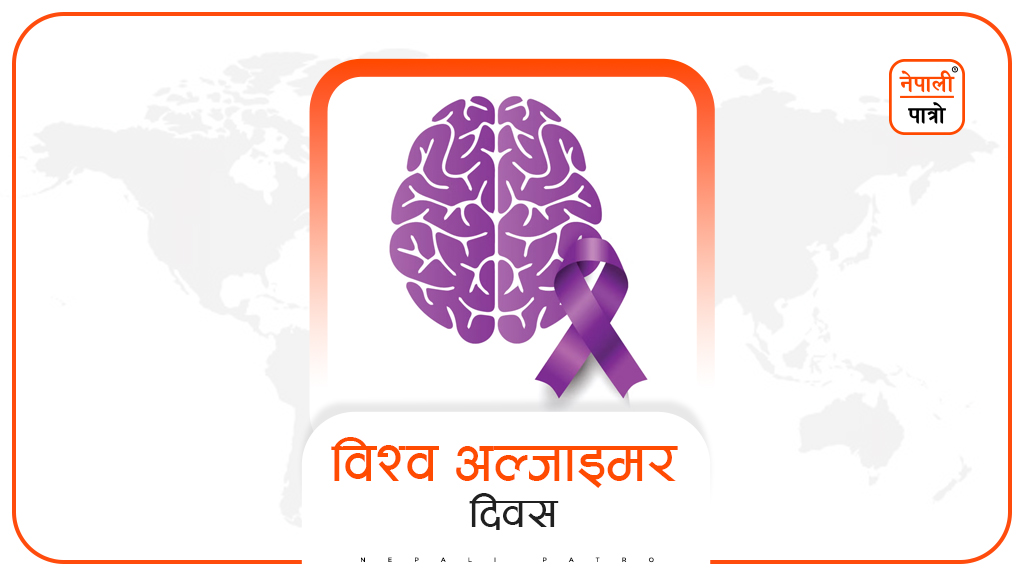
World Alzheimer’s Day, observed on September 21st every year, is a global initiative to raise awareness about Alzheimer’s disease and other forms of dementia. It is a time to remember those living with the disease, honor their caregivers, and call for greater support, early diagnosis, and research into this growing public health concern.
Despite being the most common form of dementia, Alzheimer’s is still surrounded by misunderstandings and stigma. Through awareness, education, and compassion, we can work toward a future where individuals affected by Alzheimer’s live with dignity and receive the care they need.
What is Alzheimer’s Disease?
Alzheimer’s disease is a chronic, progressive brain disorder that slowly destroys memory and thinking skills. It eventually impairs the ability to carry out even simple tasks. The disease affects the brain’s neurons and leads to the accumulation of abnormal protein structures like amyloid plaques and tau tangles which disrupt communication between brain cells and cause them to die.
Alzheimer’s is not a normal part of aging. While increasing age is the most significant risk factor, it is a neurological condition that requires medical attention and long-term care. The progression of Alzheimer’s varies from person to person, but in general, it can span from several years to over a decade.
Stages and Symptoms of Alzheimer’s
Alzheimer’s disease typically progresses through three stages: early, middle, and late. In the early stage, individuals may experience mild memory loss, confusion, difficulty with everyday tasks, and changes in mood such as anxiety or irritability.
As the disease advances to the middle stage, symptoms worsen, including repetitive behavior, sleep disturbances, increased confusion, and emotional changes. In the late stage, individuals often lose the ability to communicate, recognize loved ones, or manage daily functions, requiring full-time care and becoming more vulnerable to infections.
Risk Factors and Causes
The causes of Alzheimer’s are complex and involve genetic, health-related, and lifestyle factors. A family history of Alzheimer’s, particularly the presence of the APOE-e4 gene, increases risk. Health conditions such as diabetes, high blood pressure, and high cholesterol, as well as poor diet, lack of physical activity, and chronic stress, are also contributing factors. Brain injuries, low education levels, social isolation, and hearing loss have been associated with higher risk as well.
Prevention and Brain Health
Although there is no cure for Alzheimer’s, adopting a healthy lifestyle can help reduce the risk. This includes regular exercise, a balanced diet, mental stimulation, social engagement, good sleep, and managing conditions like diabetes and high blood pressure. Avoiding smoking and limiting alcohol also contribute to better brain health.
A Call for Compassion and Awareness
Alzheimer’s disease may steal memories, but it cannot erase our humanity or our collective ability to support one another. By understanding the challenges and advocating for the rights of people with Alzheimer’s, we can build a more inclusive and compassionate society.
Everyone can play a role in raising awareness and supporting those affected by Alzheimer’s. Learning about the disease, sharing information, volunteering, supporting caregivers, and advocating for inclusive policies can make a meaningful impact. Small actions in local communities can lead to big changes in how we approach dementia care.