Vastu Diwas
By
Nepali Patro
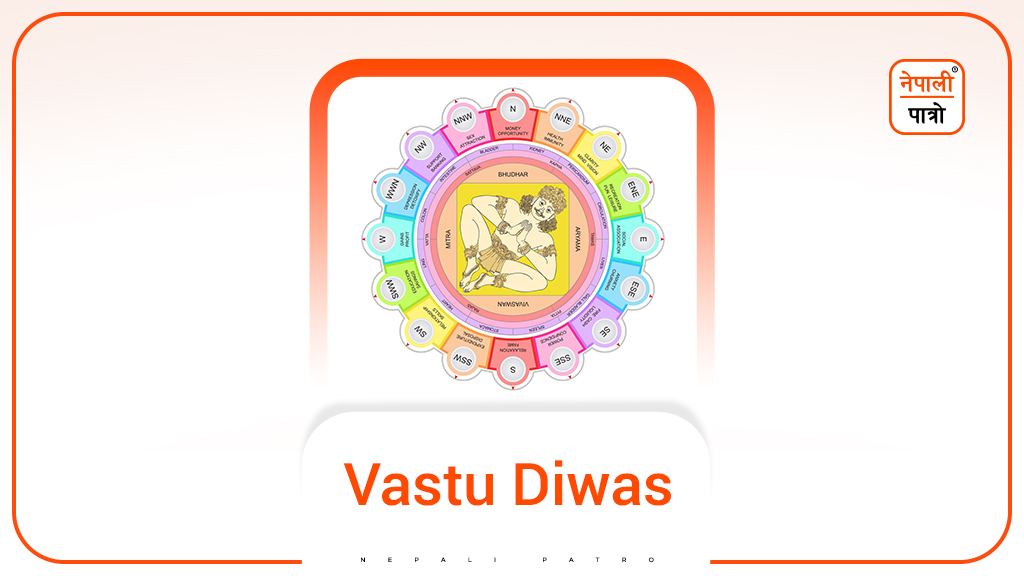
Every year in Ashwin Sankranti, Vastu Diwas is observed to raise awareness about Vastu Shastra. Vastu Shastra is a Hindu traditional architectural science that emphasizes the balance between nature, elements, and human existence within built spaces. This day celebrates the traditional principles of design and layout that aim to bring health, happiness, prosperity, and spiritual well-being into our homes and workplaces.
The Essence of Vastu Shastra
Vastu Shastra, often referred to as the “science of architecture,” has been practiced in the Indian subcontinent for thousands of years. It combines elements of art, astronomy, astrology, and science to create living and working spaces that are in alignment with cosmic energy. According to Vastu, every direction and element carries specific energies that can influence our lives either positively or negatively.
Why Vastu Matters Today
In today’s fast-paced urban life, many people are returning to Vastu principles to improve the energy flow within their homes, offices, and even public structures. It is believed that applying Vastu Shastra in construction and interior design can lead to better mental health, financial growth, harmonious relationships, and overall peace of mind. On Vastu Diwas, architects, builders, and homeowners reflect on the importance of designing spaces that are not just physically appealing but also energetically sound.
Modern Relevance of Vastu Principles
While some may view Vastu Shastra as purely traditional, its core ideas are still highly relevant. Concepts such as natural light, ventilation, structural symmetry, and orientation are deeply aligned with modern green building practices. As sustainable living becomes a global concern, Vastu Shastra offers timeless guidelines for constructing buildings that are both efficient and in harmony with nature.
Conclusion
Vastu Diwas invites us to rethink how the spaces we live in affect our daily lives. It encourages a deeper understanding of the subtle relationship between humans and their environment. Whether through traditional beliefs or scientific interpretations, the principles of Vastu continue to inspire designs that nurture wellness, stability, and positivity.