UNESCO Day
By
Nepali Patro
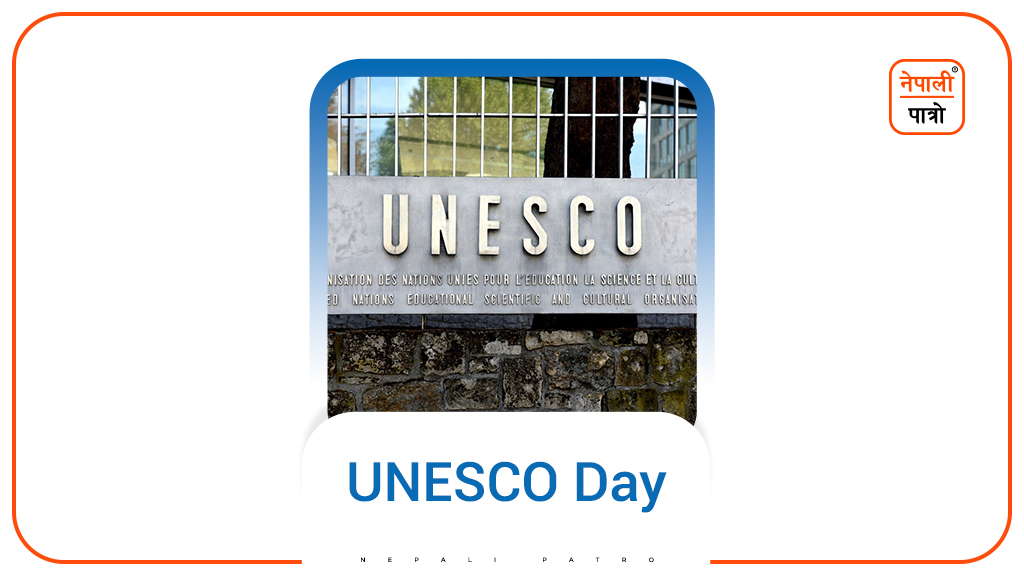
UNESCO Day, observed each year on November 4, is not just a date to remember an institution. It is an invitation to reflect on something larger. In a world that feels increasingly divided, what does it mean to build peace through knowledge, culture, and understanding?
How It All Began
After the Second World War, the world needed more than just political peace. People wanted a way to rebuild trust, protect their cultures, and create a better future. That is why UNESCO was created.
In November 1945, representatives from many countries met in London to build a new kind of organization. It would focus on education, science, culture, and communication. On November 16, the United Nations Charter came into effect. Article 57 of this Charter allowed the creation of UNESCO. Then, on November 4, 1946, after enough countries signed and approved the Constitution, UNESCO officially came into existence. This is the date we now celebrate as UNESCO Day.
What UNESCO Stands For
UNESCO works to protect things that are important to all of us. This includes ancient monuments, endangered languages, school education, and free access to information. But most of all, it works to support people. Its goal is to make sure everyone has the right to learn, speak, express, and be proud of their identity.
Even today, when the world is filled with conflict, misinformation, and growing divisions, UNESCO’s mission remains just as important as it was in 1946.
Why This Day Still Matters
UNESCO Day is a reminder that peace is not created in silence. It grows in classrooms, in archives, in museums, in conversations across differences. When we respect each other’s knowledge, when we protect shared history, and when we choose listening over erasure, we move closer to the kind of peace that can last.