Soil Conservation Day
By
Nepali Patro
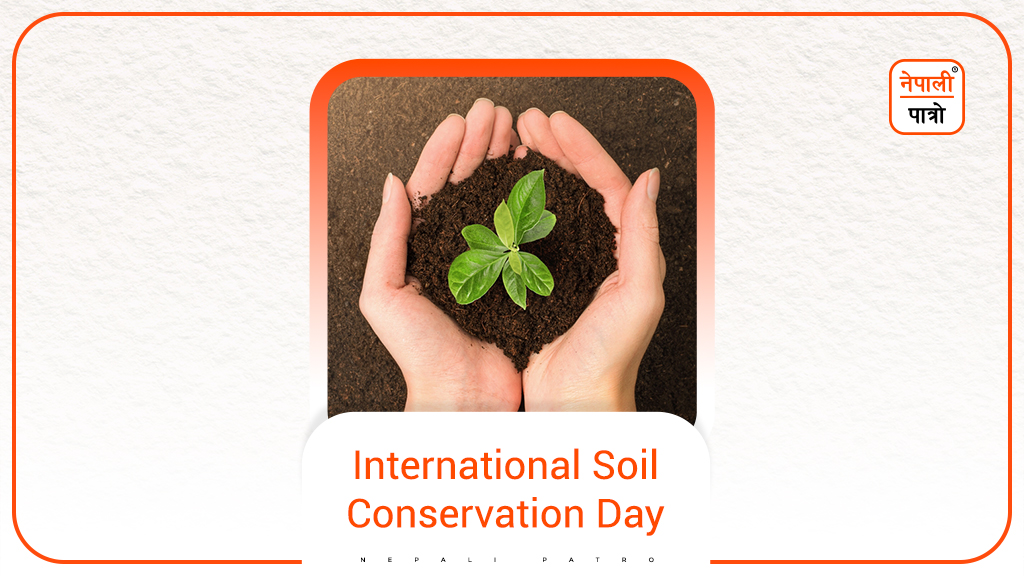
The ground we walk on, the food we eat, and the water we drink, everything is intricately linked to soil. It is not just the earth beneath our feet, but the very foundation of life. However, with increasing environmental degradation and human intervention, protecting this vital resource has become more urgent than ever. To raise awareness about soil-related issues and encourage active participation in its conservation, Nepal observes International Soil Conservation Day every year on Shrawan 24.
A Look Back: Why This Day Matters
The Government of Nepal established the Department of Soil and Watershed Conservation on Shrawan 24, 2031 B.S., marking the start of a more institutionalized effort to protect land and prevent soil degradation. In honor of this milestone, the day began to be observed as National Soil Conservation Day. The department has since expanded services to the district level, addressing erosion control, watershed management, and sustainable land use.
The Current Scenario: Challenge or Opportunity?
Nepal’s diverse geography, mountains, hills, and terai, make it both rich and fragile. According to the National Land Policy 2075, about 27% of Nepal’s land is cultivable while 44% is covered by forests and shrubs. However, this balance is being disrupted by:
- Unregulated urbanization and real estate plotting
- Haphazard infrastructure development on fertile land
- Neglect of traditional terraced farming in hilly areas
- Excessive use of chemical fertilizers and pesticides
- Erosion due to erratic rainfall and floods
These challenges are slowly eroding not just soil fertility but also threatening food security and environmental balance.
Nepal’s Geographical Sensitivity: A Call for Resilience
Nepal is considered highly vulnerable to natural disasters and climate change.
- Fragile terrain and geological instability
- Recurring floods, landslides, and soil erosion
- Shifting rainfall patterns due to global warming
- Pressure from unsustainable human activities
These factors contribute to significant loss of life and property each year. The path forward requires embracing green development, promoting climate-resilient infrastructure, and enhancing community-level awareness and participation in conservation efforts.
The Way Forward: Sustainable Soil Management
To ensure long-term land preservation, we must act now:
- Community-led soil protection practices, such as organic farming, terracing, and reforestation
- Policy enforcement: Implement land-use and watershed protection strategies effectively
- Use of technology: tools like GIS, drones, and remote sensing for monitoring and planning
- Public education: spread awareness from classrooms to communities about soil conservation
Safeguarding soil means safeguarding the future. If we protect the soil today, the soil will protect us tomorrow.