Papangkush Ekadashi
By
Nepali Patro
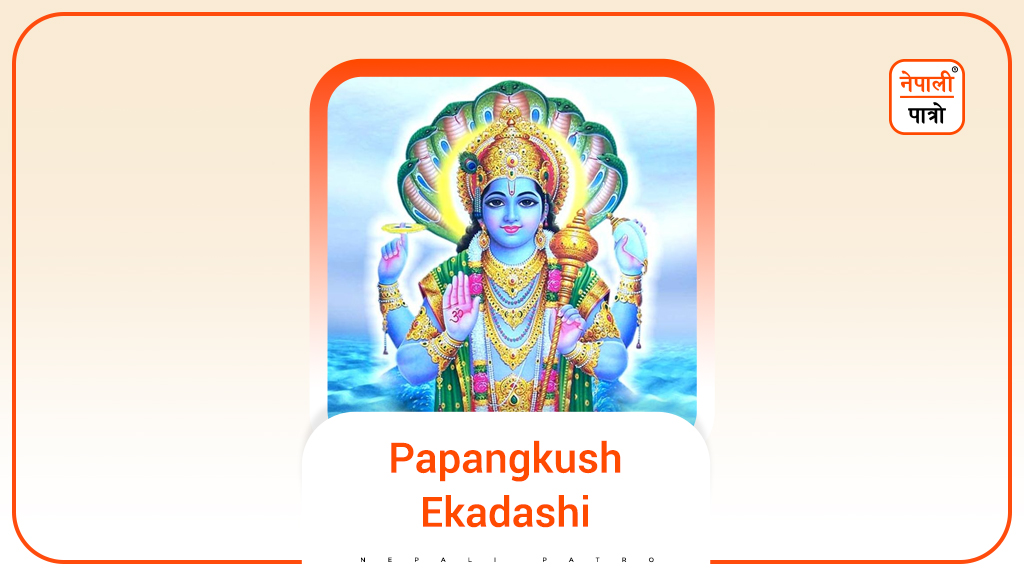
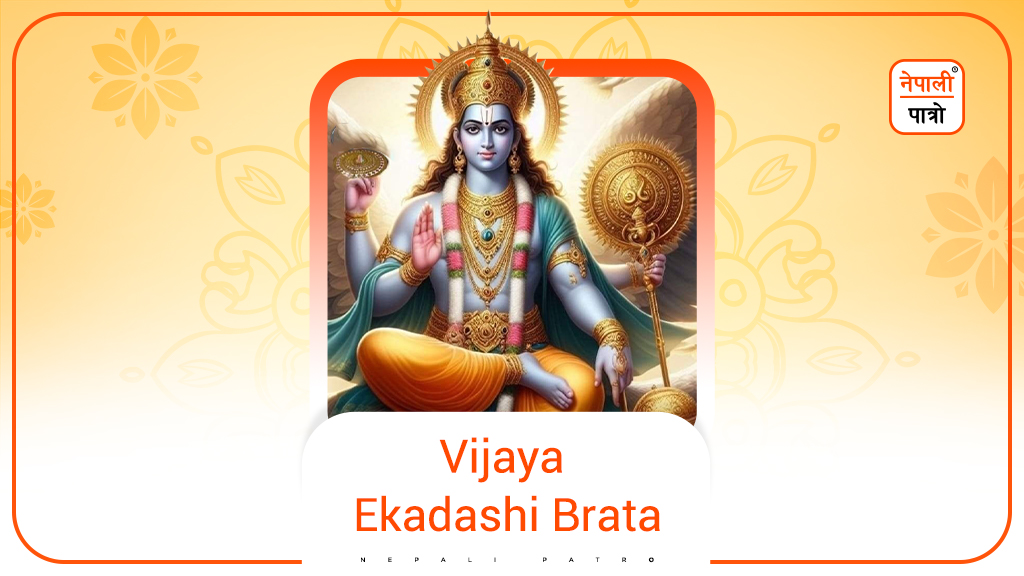
Papangkush Ekadashi falls on the eleventh day (Ekadashi) of the Shukla Paksha of the month of Asoj/Ashwin in the Hindu calendar. It is observed as a sacred fast in Hinduism. On this day, devotees worship Lord Vishnu and observe a fast. The word “Pap” means sin or wrongdoing, and “Ankusha” means control or restraint. It is believed that by observing this Ekadashi fast, one can control and destroy the sins accumulated over a lifetime. So, it is named Papangkush Ekadashi.
According to the Ekadashi Mahatmya, observing this fast brings sixteen times more punya (merit) than performing grand rituals like the Vajapeya Yagna and Ashwamedha Yagna. It is considered highly beneficial for attaining heaven, liberation (moksha), good health, prosperity, blessings of children, and the welfare of the family.
How to observe the fast
The observance of Papangkusha Ekadashi begins on the evening of Dashami (the tenth day) by consuming a simple, sattvic (pure vegetarian) meal. The next morning, during Brahma, one should take a bath, wear clean clothes, and perform daily worship rituals. On Ekadashi day, devotees offer special prayers to Lord Vishnu and observe a fast. Some people undertake a complete fast without food or water, while others have fruits. The day is spent reciting the Vishnu Sahasranama, listening to the Ekadashi Mahatmya, or singing bhajan-kirtan. In the evening, the Sandhya Aarti is performed and they stay up all night praying.
On the morning of Dwadashi, one should again shower early, complete daily rituals, and offer food and dakshina to a Brahmin. Only after this, the devotee should break the fast by eating. It is believed that by observing the fast with devotion and discipline, one’s sins are destroyed, and one achieves great punya.
The Story Behind Papangkush Ekadashi
According to Ekadashi Mahatmya, during the 12-year exile of the Pandavas, Yudhishthir once asked Lord Krishna about the significance of the Ekadashi that falls in the bright fortnight of Ashwin. Lord Krishna explained that this Ekadashi is called Papangkusha Ekadashi, as it helps restrain and eliminate all sins while granting virtue. Observing this fast leads to heaven, liberation, good health, wealth, and even a virtuous life partner. It is considered more rewarding than visiting sacred places like Ganga, Gaya, or Kashi. The merits of this fast are said to uplift ten generations each of one’s paternal, maternal, marital, and friendly relations, leading them all to the divine place of Vaikuntha in cosmic forms.
Once upon a time, on Mount Vindhya, lived a man named Mahakrura. He was known for his sinful and angry nature. His life was filled with wrongdoings. When his time of death approached, the messengers of Yama came and warned him. Terrified, Mahakrura went to Sage Angira and pleaded for a way to avoid going to Yama’s court. The sage advised him to observe the upcoming Papangkusha Ekadashi fast. Mahakrura observed the fast with full devotion, and as a result, all his sins were destroyed, and he attained heaven.