National Topi Day
By
Nepali Patro
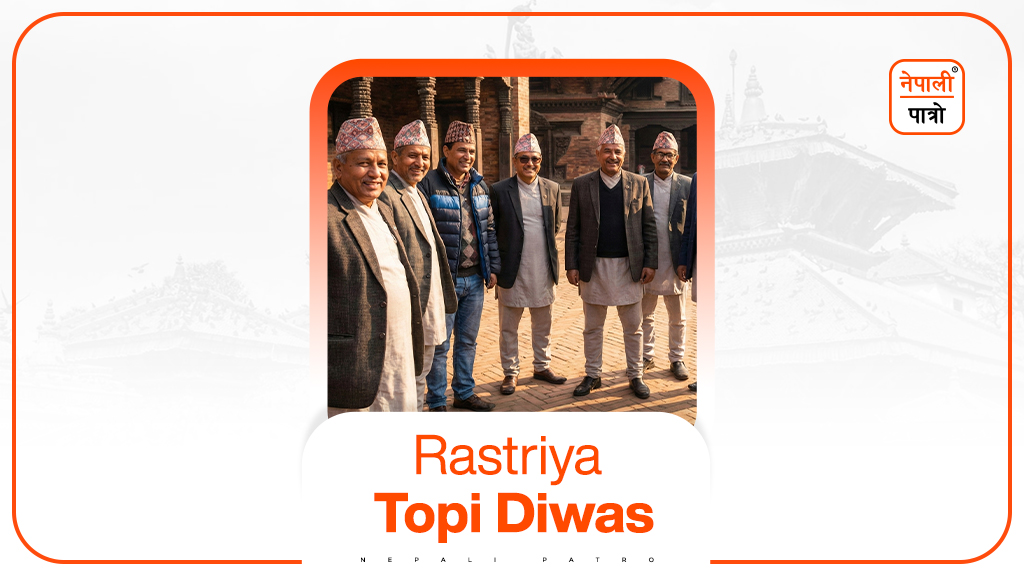
National Topi Day is observed every year on January 1 to celebrate Nepal’s cultural identity through the traditional Dhaka Topi and Bhadgaunle Topi. Over the past decade, the day has grown from a community-driven movement into a widely recognized cultural celebration among Nepalis living both in Nepal and abroad.
How National Topi Day Started
National Topi Day does not have a government-declared historical origin. Instead, it emerged organically through diaspora Nepali communities, especially in the United States. Around 2011 to 2013, Nepali student associations and youth groups abroad began encouraging people to wear the Dhaka Topi on January 1 as a symbol of national pride.
The choice of January 1 aligned with the New Year celebrations in many countries, making it easier for Nepalis abroad to gather and showcase their cultural identity.
Gradually, the tradition spread through social media campaigns, photo posts, and community events. By the mid-2010s, the day had become popular among Nepalis worldwide.
Significance of the Dhaka Topi
The Dhaka Topi is woven from handmade Dhaka fabric, a distinctive textile associated primarily with the eastern hills of Nepal, including Palpa, Dharan, and Tehrathum. Its geometric patterns and vibrant colors reflect Nepali craftsmanship.
The Dhaka Topi gained national prominence during the Shah monarchy, especially when King Mahendra institutionalized it as part of the national dress for men.
Significance of the Bhadgaunle Topi
The Bhadgaunle Topi, originating from Bhaktapur, is typically black, made from velvet or felt, and carries historical and cultural prestige.
Unlike the Dhaka Topi, the Bhadgaunle Topi is simpler in design but deeply tied to the craftsmanship of the Kathmandu Valley. It was widely worn by civil servants and community leaders in the past.
National Topi Day in the Present Context
Today, people celebrate the day by:
- Wearing a Dhaka or Bhadgaunle Topi on January 1
- Sharing photos on social media with cultural messages
- Organizing community gatherings, cultural programs, and heritage talks
- Promoting Nepali handicrafts
National Topi Day is a contemporary celebration rooted in Nepali diaspora communities and powered by cultural pride. Whether in Nepal or abroad, wearing a topi on January 1 represents respect for heritage, recognition of craftsmanship, and a shared sense of belonging.