Kojagrat Purnima
By
Nepali Patro
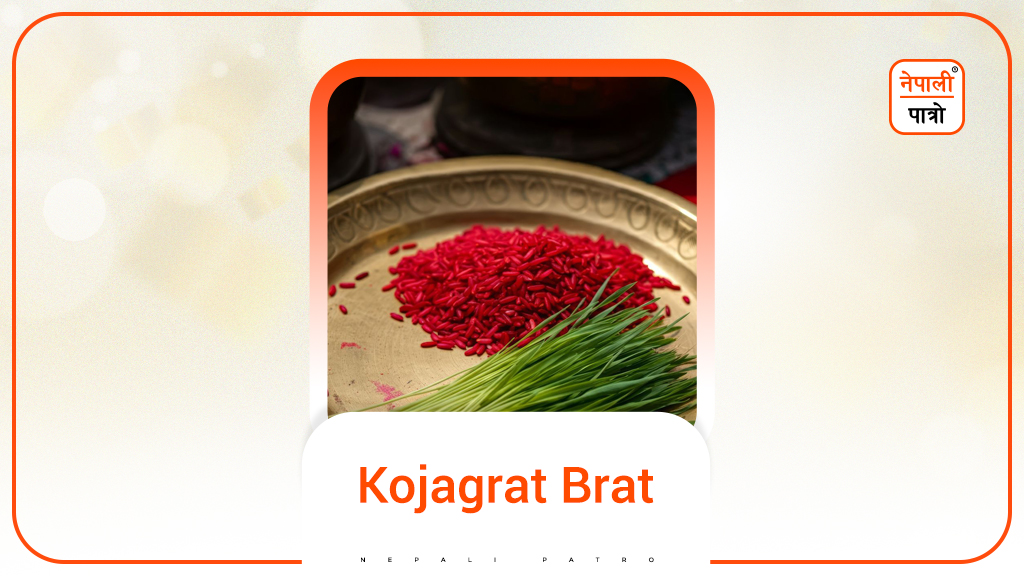
In Nepal, Dashain is considered the biggest and most significant festival of the year. The formal conclusion of this festival takes place on the full moon day of Ashwin Shukla Paksha, known as Kojagrat Purnima. The word Kojagrat comes from two Sanskrit words: Ko (who) and Jagrat (awake), which together mean “Who is awake?”. It is believed that on this night, Goddess Lakshmi blesses the households where people remain awake, worship her with devotion, and engage in prayers, bringing prosperity, peace, and harmony.
Religious Significance
Final Day of Dashain: Kojagrat Purnima marks the official end of Dashain. Until this day, rituals of worship, tika, and jamara continue. On Kojagrat Purnima, people immerse the sacred jamara and tika in rivers or ponds.
Lakshmi Puja: On this day, Goddess Mahalakshmi is worshipped with special rituals. Along with wealth and prosperity, virtues such as morality, peace, and righteousness are also believed to be blessings of the Goddess.
Tradition of Vigil: Staying awake the whole night with devotional songs, lighting of lamps, and prayers is a common practice. It is believed that Goddess Lakshmi showers blessings upon devotees who remain awake in her honor.
Rituals and Traditions
– Lamps are lit at the main door, windows, and prayer rooms of the house.
– Offerings of flowers, fruits, grains, incense, and oil lamps are made before the image or idol of Goddess Lakshmi.
– In some households, family members spend the night singing hymns, chanting, or meditating.
– Jamara and tika used throughout Dashain are worn for the last time and then immersed in holy water.
Social and Cultural Significance
Kojagrat Purnima is not only a religious occasion but also carries social meaning. Families gather together for worship, light lamps collectively, and foster a spirit of unity and cooperation in the community. The practice of cleaning and decorating houses, along with filling them with lights, symbolizes purity, positivity, and a new beginning.
Conclusion
Kojagrat Purnima signifies both the conclusion of Dashain and the message of a fresh start. The devotion shown toward Goddess Lakshmi, the unity within families and communities, and the spiritual peace gained through light and vigil make this day especially meaningful.