International Day of Rural Women
By
Nepali Patro
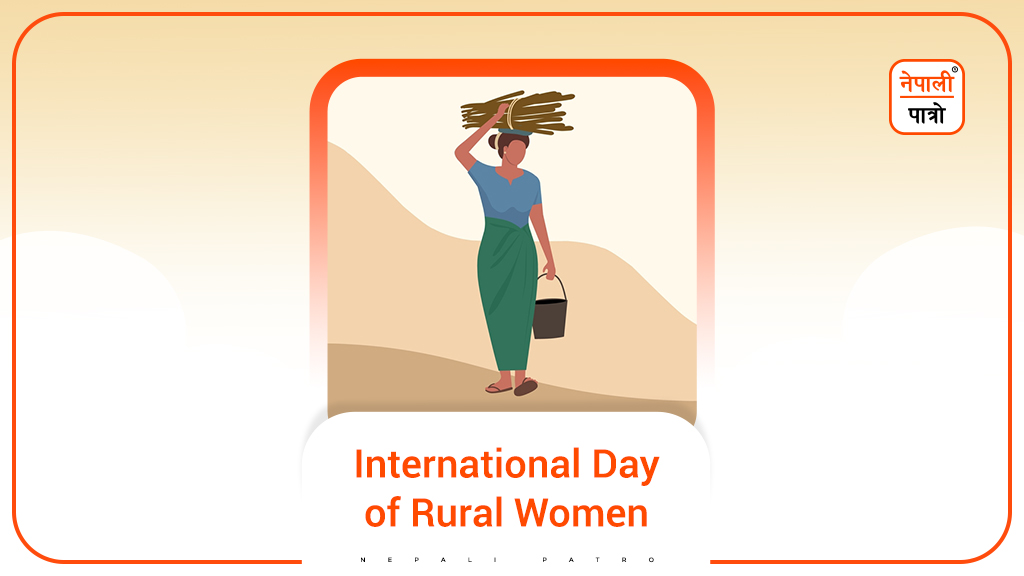
The International Day of Rural Women is observed annually on October 15. Established by the United Nations General Assembly in 2007, the day acknowledges the critical role and contribution of rural women, including Indigenous women, in enhancing agricultural and rural development, improving food security, and eradicating rural poverty. Despite their huge contribution, rural women remain among the most disadvantaged people globally due to continued gender inequalities and limited access to resources.
Background and History
The idea for this international observance emerged at the Fourth World Conference on Women in Beijing in 1995, where the need to recognize the vital role of rural women was strongly emphasized. Building on this, the UN General Assembly officially established the day with Resolution A/RES/62/136 in December 2007, and the first celebration took place in 2008.
The date, October 15, was chosen strategically to fall one day before World Food Day (October 16), reinforcing the essential role rural women, including indigenous women play in enhancing agricultural and rural development, food production and food security.
The Role of Rural Women in Sustainable Development
Rural women make up more than a quarter of the world’s population and represent a significant portion of the agricultural labor force, especially in developing countries. They are farmers, laborers, entrepreneurs, caretakers, and environmental stewards.
Empowering rural women is essential to achieving global development goals, including the Sustainable Development Goals (SDGs), particularly those related to gender equality (SDG 5), zero hunger (SDG 2), and climate action (SDG 13).
Challenges Faced by Rural Women
According to UN Women and the Food and Agriculture Organization (FAO), , rural women face multiple systemic barriers to empowerment. Although they make up nearly half of the agricultural workforce, only 13% of landholders worldwide are women. They also face higher poverty rates than rural men and are 17% less likely to use mobile internet, widening the gender and rural-urban digital gaps. Despite playing a key role in managing natural resources, rural women are highly vulnerable to climate change and remain largely excluded from environmental policymaking processes.
Call to Action
Supporting rural women calls for integrated action. Governments must adopt gender-responsive rural development policies and ensure equal access to land, credit, and agricultural resources. Promoting literacy, technical training, and digital access is vital, along with improving maternal and reproductive healthcare services. Encouraging women’s participation in local leadership and national decision-making strengthens both communities and policies.
Conclusion
The International Day of Rural Women is more than a celebration; it is a global call to recognize, invest in, and empower rural women. From producing food to safeguarding biodiversity, rural women are agents of change. To create a sustainable, equitable world, their voices, rights, and needs must be at the heart of every policy, every initiative, and every future vision.