International Day for Disaster Risk Reduction
By
Nepali Patro
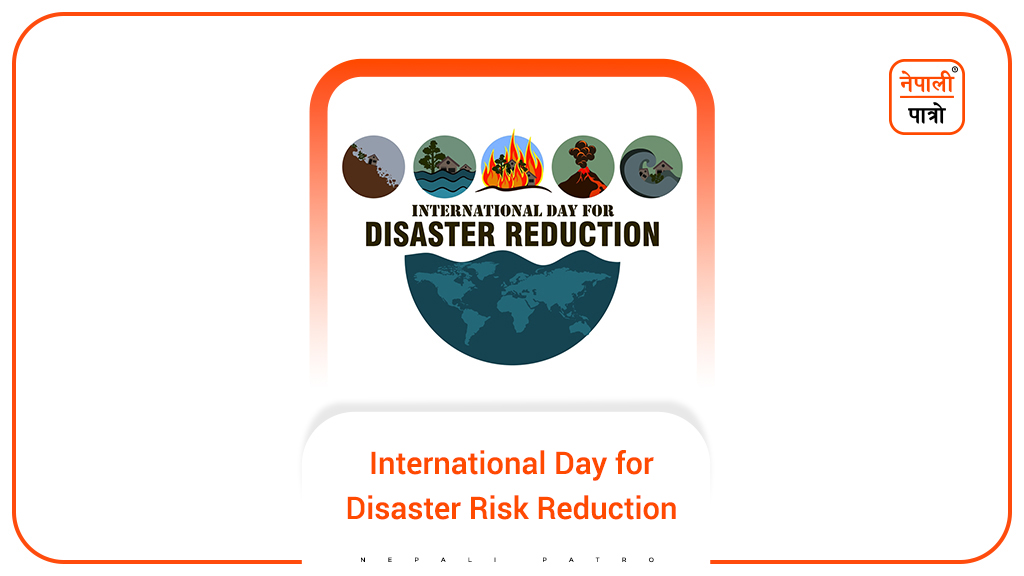
The International Day for Disaster Risk Reduction is observed globally every year on October 13. The day is dedicated to promoting a culture of preparedness and resilience by raising awareness about disaster risks and encouraging efforts to reduce vulnerabilities. It serves as a global reminder that while natural hazards cannot be prevented, their impact can be minimized through proper planning and risk management.
Background and Significance
The United Nations General Assembly first designated this day in 1989 as the International Day for Natural Disaster Reduction. In 2009, the name was changed to the International Day for Disaster Risk Reduction, aligning more closely with the broader goal of reducing risk rather than simply responding to disasters. This shift in focus encouraged communities and governments around the world to prioritize prevention, early action, and long-term resilience.
Relevance for Nepal
Nepal is one of the most disaster-prone countries in the world due to its complex geography and climate conditions. Earthquakes, landslides, floods, and glacial lake outburst floods are frequent challenges. In this context, the International Day for Disaster Risk Reduction holds special relevance. Community-based preparedness, public awareness campaigns, and the integration of disaster risk reduction in development planning are essential for safeguarding lives and livelihoods.
Efforts by local governments, civil society organizations, and international partners have helped strengthen disaster response capacity in recent years. However, continued investment in risk education, early warning systems, and resilient infrastructure is necessary to build a disaster-ready Nepal.
Conclusion
The International Day for Disaster Risk Reduction is not just a symbolic observance but it is a call to action for individuals, institutions, and nations to recognize that disaster risks are not inevitable. With proper planning, collaboration, and awareness, we can significantly reduce the human and economic toll of disasters. Strengthening resilience today will ensure a safer and more secure future for all.