International Childhood Cancer
By
Nepali Patro
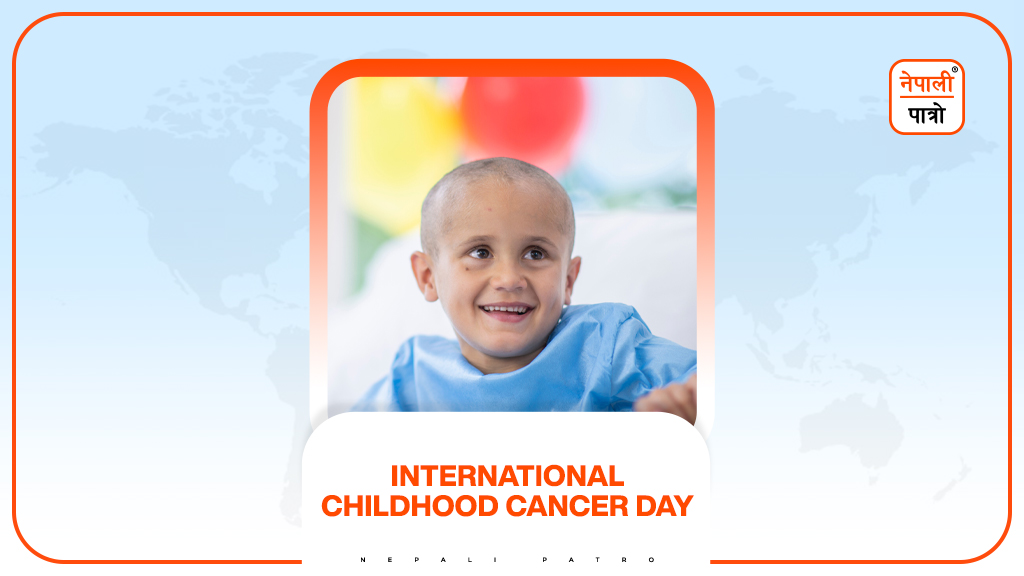
International Childhood Cancer Day is observed every year on 15 February to raise global awareness about cancers affecting children and adolescents. The day focuses on improving early diagnosis, ensuring access to quality treatment, and supporting children and families throughout the cancer journey.
Childhood cancer refers to cancers diagnosed in individuals from birth to 19 years of age. Unlike most adult cancers, childhood cancers are generally not linked to lifestyle or environmental risk factors. They usually develop due to genetic or biological changes that cannot be prevented. The most common types include leukemia, brain and central nervous system tumors, lymphoma, neuroblastoma, Wilms tumor, and bone cancers such as osteosarcoma. Among them, leukemia remains the most frequently diagnosed type worldwide.
Every year, hundreds of thousands of children are diagnosed with cancer. Survival rates vary significantly depending on where a child lives. In high income countries, survival rates can exceed 80 percent for many childhood cancers due to advanced medical technology, early detection programs, and comprehensive supportive care. In low and middle income countries, survival rates may fall below 30 percent because of delayed diagnosis, limited access to specialized treatment centers, shortages of essential medicines, and inadequate supportive care.
Early detection plays a critical role in improving outcomes. Warning signs may include persistent fever, unexplained weight loss, unusual lumps or swelling, chronic headaches with vomiting, frequent infections, bone pain, or prolonged fatigue. While these symptoms are not always linked to cancer, timely medical evaluation is essential.
Treatment depends on the type and stage of cancer and may involve chemotherapy, surgery, radiation therapy, targeted therapy, or stem cell transplantation. With appropriate treatment and supportive care, many childhood cancers are curable. Long term follow up is also important, as survivors may experience late effects of treatment.
International Childhood Cancer Day emphasizes that every child, regardless of geographic or economic background, deserves equal access to early diagnosis, effective treatment, and comprehensive care. Strengthening health systems, raising awareness, and supporting affected families are essential steps toward improving survival and ensuring better futures for children worldwide.