Hariparivartini Ekadashi
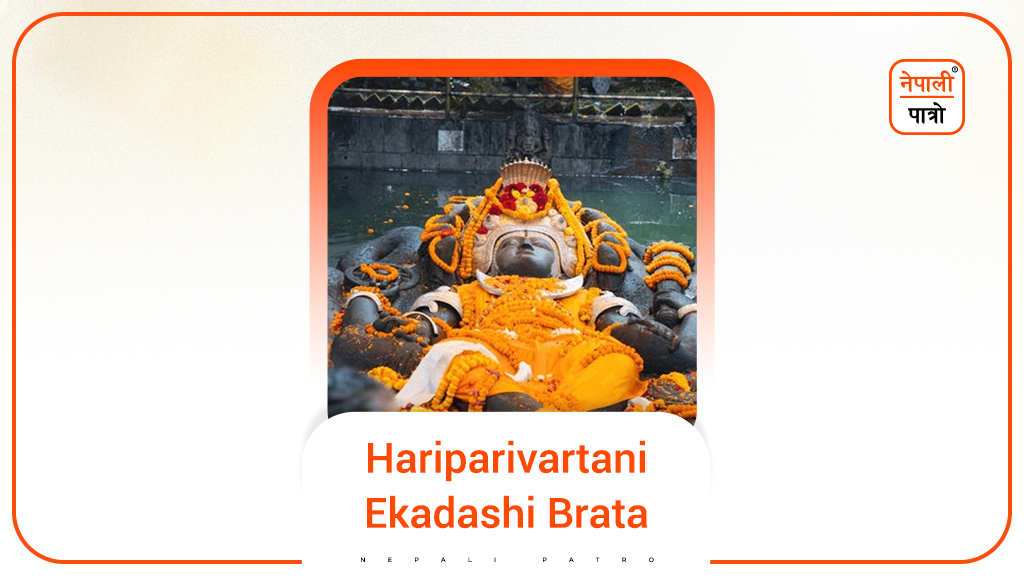
Hariparivartini Ekadashi falls on the 11th day (Ekadashi) Shukla Paksha in the month of Bhadra. It is also known as Vamana Ekadashi or Jayanti Ekadashi. This Ekadashi is considered special because it is believed that on this day, Lord Vishnu changes sides in his cosmic sleep. That’s why it is called Hariparivartini where ‘Hari’ means Lord Vishnu, and ‘Parivartini’ means to turn or change.
According to the Padma Purana, worshipping Lord Vishnu by his name Hrishikesha and observing a fast on this day gives the same spiritual benefit as performing a Vajapeya Yajna or even a thousand Ashvamedha Yagnas. Donating items like copper, silver, rice, and curd on this day is considered very auspicious.
How to Observe the Fast
The fasting rules for Hariparivartini Ekadashi are similar to other Ekadashis. On the previous evening, one should eat only pure vegetarian (sattvic) food. On the day of Ekadashi, wake up early during Brahma Muhurta (before sunrise), take a bath, and offer water to the Sun God. Lord Vishnu should be worshipped using his name Hrishikesha. The fast can be observed by eating fruits or by staying completely without food and water.
Devotees should also try to stay awake through the night, chanting or listening to stories of Lord Vishnu. The next morning, on Dwadashi, one should again bathe early, offer food and Dakshina to a Brahmin, and then end the fast.
The Story Behind Haripariwartini Ekadashi
According to the Vamana Purana, King Bali was the grandson of the great devotee Prahlad. He was a strong and generous ruler and also a great devotee of Lord Vishnu. With his power, Bali defeated Indra and took control of the Swargaloka (heaven). The gods became worried and asked Lord Vishnu for help.
Lord Vishnu, then took the form of a small Brahmin boy named Vamana. He was born on the night of Hariparivartini Ekadashi to Aditi and Sage Kashyapa. After his Bratabandha, Vamana, with a small body, smiling face, and holding an umbrella, went to King Bali’s grand yagna where the king was preparing to become the permanent ruler of heaven.
King Bali welcomed the young Brahmin with respect and asked what he wanted. Vamana asked for just three steps of land. Bali was warned by his teacher, Shukracharya, that this might be a trick, but Bali honored his promise. When Bali attempted to pour water for the donation, Shukracharya blocked the spout of the water vessel, but Vamana used a blade of grass to pierce and blind him, allowing the ritual to proceed.
Once Bali made the promise, Vamana took his Trivikrama form. With his first step, he covered the Earth, and with the second, he covered the heaven. Since there was no space left for the third step, Bali bowed and offered his head. Vamana placed his foot on Bali’s head and sent him to the netherworld (Patal Lok). But Lord Vishnu was so pleased with Bali’s devotion and honesty that he promised to stay with him in Patal Lok as his gatekeeper.
Later, Goddess Lakshmi found out that Lord Vishnu had gone to stay with Bali. To bring him back, she disguised herself as a simple woman and visited King Bali on the Kartik Shukla Ekadashi. She tied a rakhi on his wrist and called him her brother. When Bali asked what she wanted as a gift, she asked for her husband Vishnu. Bali agreed and let Lord Vishnu return with her. Lakshmi then showed her real form and returned to heaven with Lord Vishnu.
But King Bali requested them to stay with him and from Shravan Purnima to Kartik Trayodashi, they stayed as guests. After their stay ended, Bali joyfully celebrated their departure with the festival of Deepawali.
Since Lord Vishnu took his Vamana form on the night of Bhadra Shukla Ekadashi, the next day is celebrated as Vamana Dwadashi. Devotees worship Lord Vishnu on this day with special prayers and fasting.