Children’s Day
By
Nepali Patro
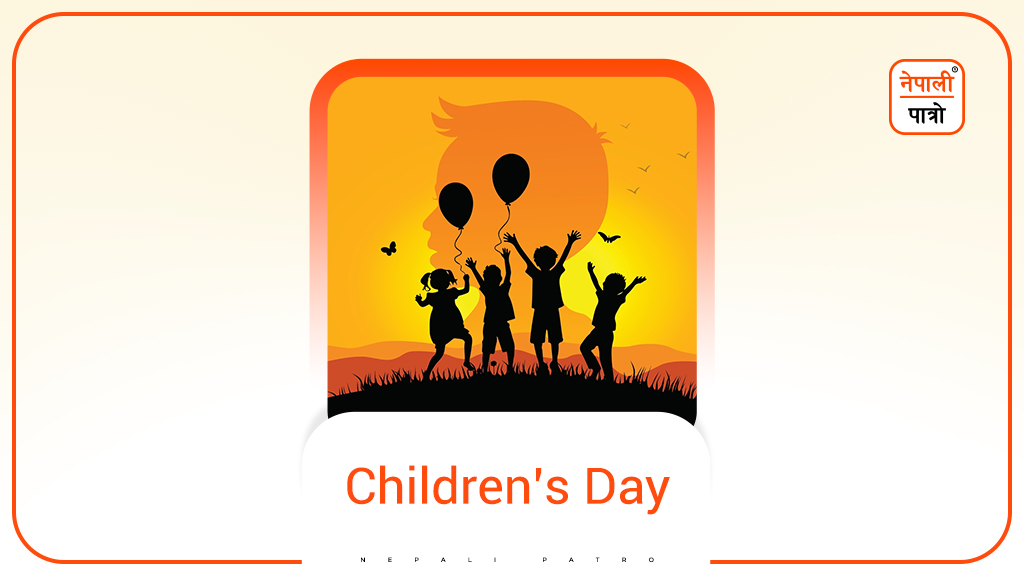
Nepal observes Children’s Day annually on Bhadra 29 to celebrate the joy, rights, and well-being of children across the nation. Unlike International Children’s Day on June 1 or World Children’s Day on November 20, Nepal marks this day in remembrance of the Children’s Act 2048 B.S. (1992 A.D.), a landmark legislation that formally recognized children’s rights in the country. This act shifted the national perspective from symbolic appreciation to legal commitment toward the protection and development of children.
More Than Just a Celebration
Children’s Day in Nepal is more than a day of cheerful events and colorful performances. It is a national reminder of our collective duty to give our children a safe, welcoming, and nurturing place to grow. It focuses on ensuring access to quality education, nutrition, healthcare, protection from abuse, and opportunity for equality. Various stakeholders like schools, households, community leaders, and government agencies take this moment to reflect on how far they have progressed and what issues persist to affect children.
The History Behind the Day
Before 2048 B.S., Children’s Day was celebrated on Bhadra 4, the birthday of Queen Ratna. On 14th September 1990 AD (Bhadra 29, 2047 B.S.), Nepal ratified and signed the protocol adopted by UN Convention on Child Rights. To commemorate that day Nepal started celebrating 29th Bhadra as National Children’s Day.
Celebrating Children Through Expression and Engagement
Across Nepal, Children’s Day is marked by a wide variety of events and activities. Schools organize essay writing, art competitions, talent shows, and cultural programs to engage students creatively. Non-governmental organizations (NGOs) conduct awareness campaigns on child rights issues such as child marriage, child labor, and mental health. Child clubs and local municipalities host community events, rallies, and street dramas that encourage participation from children and adults alike. Media platforms also amplify children’s voices by featuring stories, interviews, and advocacy content. These initiatives not only celebrate children’s talents but also spread awareness about their rights and needs.
The Reality Behind the Smiles
Despite national efforts, many children in Nepal continue to face difficult realities. Child labor remains widespread in informal sectors. Access to education is unequal, especially in remote and underdeveloped regions. Malnutrition, lack of basic healthcare, and inadequate child protection mechanisms also pose serious threats. Moreover, issues like child abuse, trafficking, and early marriage persist in various communities. While policies exist to combat these problems, gaps in implementation and limited resources often hinder their effectiveness.
Everyone’s Responsibility, Every Day
Children’s Day is a call to action. It calls upon every stakeholder, whether a policymaker, parent, teacher, or citizen, to make children’s rights in their daily decisions and long-term plans. Creating a safe, inclusive, and empowering environment for every child requires more than symbolic gestures. It calls for active investment, policy enforcement, and community engagement that puts children’s needs first.
When children are given the freedom to learn, play, express, and grow, they thrive personally and contribute meaningfully to a stronger nation.