National Reconciliation Day
By
Nepali Patro
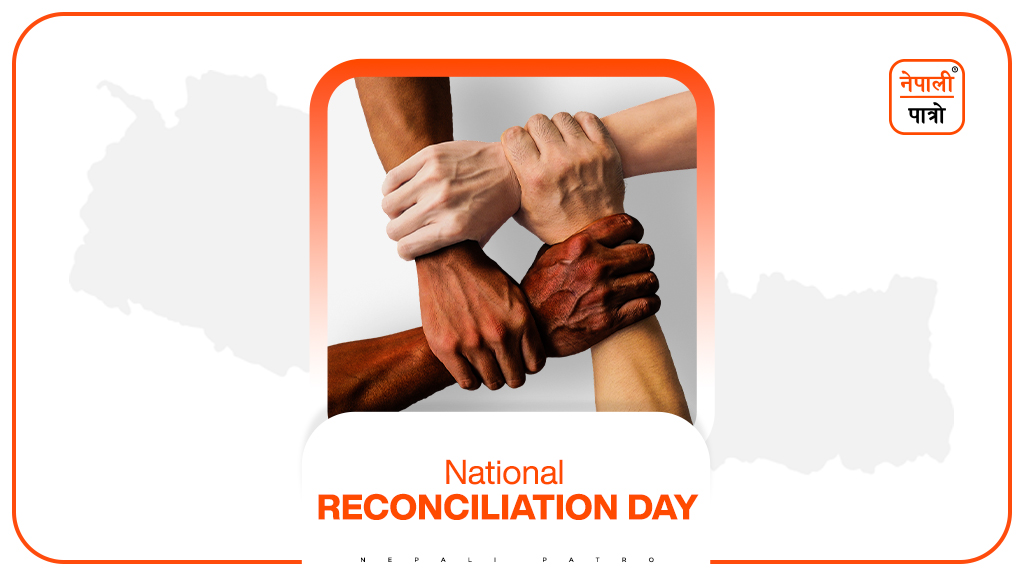
National Reconciliation Day is observed every year on Poush 16 in Nepal. It remembers a turning point in Nepali history when political leaders returned home with a message of unity and cooperation. The day stands for national reconciliation and shared purpose.
Historical Background
On Poush 16, 2033 BS (December 30, 1976), Nepal’s first democratically elected Prime Minister Bishweshwar Prasad Koirala and veteran leaders returned from exile in India. They included Ganeshman Singh, Shailaja Acharya, Khum Bahadur Khadka, Ram Babu Prasain, and Nilambar Panthi. They had spent nearly eight years abroad opposing the autocratic Panchayat system and seeking democratic change.
Koirala’s return was a deliberate choice to pursue national unity and reconciliation rather than continued conflict. He believed political dialogue between parties and the monarchy would strengthen the nation’s sovereignty and democratic foundations.
What the Day Stands For
National Reconciliation Day is a reminder of political cooperation. It highlights the need to bridge differences within Nepal’s political landscape. The leaders who returned that day set aside personal risk to work toward peace and unity.
The day is marked not only to recall history but also to encourage dialogue between citizens, parties, and institutions. It asks people to value respectful debate and common ground in solving national challenges.
How It Is Observed
Polotical parties such as the Nepali Congress hold programs across Nepal. These include public seminars, speeches, and gatherings focused on unity and reconciliation. Leaders from various political parties often participate.