International Day for Older Persons
By
Nepali Patro
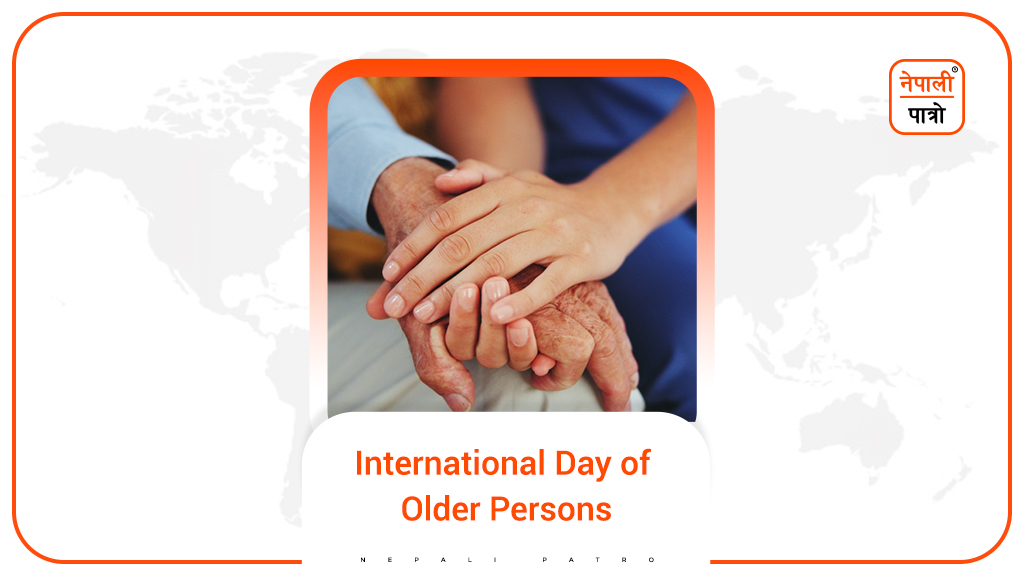
Observed on October 1 each year, the International Day for Older Persons (Senior Citizens) is a global opportunity to recognize the contributions of older adults and raise awareness about the challenges they face. Established by the United Nations General Assembly in 1990, this day calls for greater attention to the rights, health, and dignity of older persons in all societies. As the global population continues to age, the relevance of this observance has grown significantly.
The Global Aging Population
The world is undergoing a demographic shift. According to the World Health Organization, by the year 2050, the number of people aged 60 and above will more than double, reaching over two billion. This change brings with it both opportunities and responsibilities. Older individuals remain active members of society who contribute to families, communities, and economies. However, they also face unique challenges that require thoughtful and inclusive policies.
Recognizing Contributions
Older people are not just part of society’s history but also its present and future. Many continue to work, volunteer, or care for family members. They carry life experiences that serve as a source of wisdom and guidance for younger generations. Their role in preserving cultural heritage, offering emotional support, and strengthening intergenerational relationships cannot be overstated. Honoring these contributions helps shift public perception toward aging in a more positive and inclusive direction.
Key Challenges
Despite their importance, older adults often face serious challenges. Ageism remains a widespread issue, leading to exclusion in the workforce, healthcare settings, and social environments. Many live in isolation, particularly those in urban areas or without close family ties. Health problems such as chronic illness and limited mobility further reduce quality of life, especially where support systems are weak. Additionally, a lack of access to digital tools limits their ability to participate fully in today’s connected world.
Building Inclusive Societies
Creating a society that supports older persons means ensuring access to quality healthcare, age-friendly infrastructure, and social protection. Communities can become more inclusive by designing public spaces that are accessible to people of all ages and by supporting intergenerational dialogue and cooperation. Promoting digital literacy programs for seniors and encouraging media representation that portrays aging with dignity are also important steps.
Conclusion
The International Day for Older Persons reminds us of the value and rights of aging individuals. It is a time to celebrate their contributions and reflect on how society can better support them. As the world’s population continues to age, fostering respect, accessibility, and inclusion is essential. Ensuring that older persons live with dignity and purpose is not just an act of kindness but a fundamental part of building a fair and compassionate society for all.