International Day of Non-Violence
By
Nepali Patro
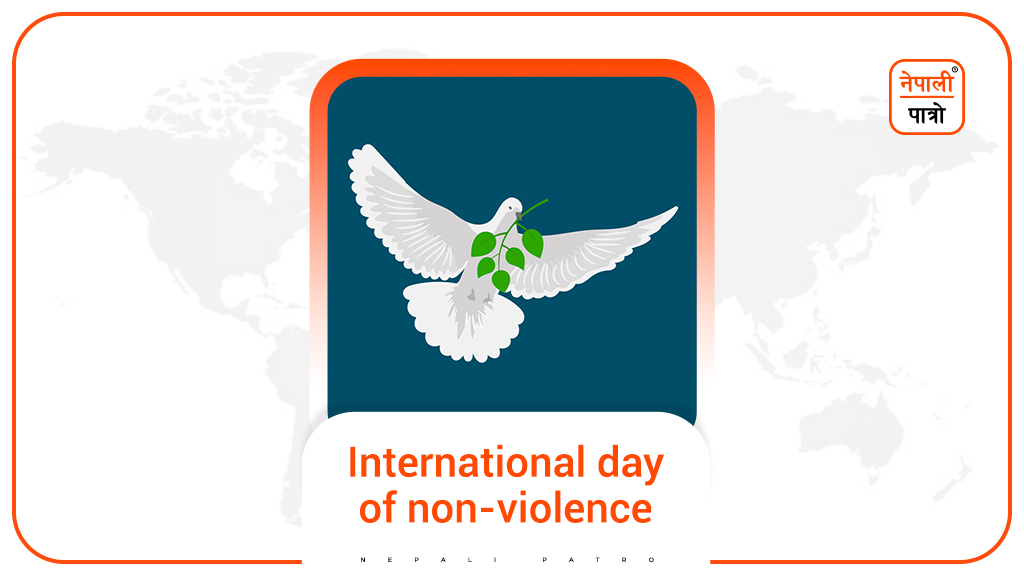
International Day of Non-Violence, observed every year on October 2, commemorates the birth anniversary of Mahatma Gandhi, a global symbol of peace and non-violent resistance. This day was established by the United Nations in 2007 to highlight the universal relevance of non-violence and to promote a culture of peace, understanding, and tolerance around the world.
Gandhi’s philosophy of non-violence, or ahimsa, was not merely a political strategy but a way of life rooted in compassion, truth, and respect for all beings. His non-violent movement played a pivotal role in India’s struggle for independence and went on to inspire countless civil rights leaders including Martin Luther King Jr., Nelson Mandela, and the Dalai Lama.
Why Non-Violence Matters
In today’s world, where conflict, injustice, and division often dominate the headlines, the message of non-violence is more relevant than ever. Non-violence is not a passive stance but an active and powerful method of creating lasting social change. It helps resolve conflicts peacefully, uphold human dignity, and promote inclusive communities. International Day of Non-Violence serves as a timely reminder of the strength that lies in peaceful resistance and mutual respect.
Global Observance and Activities
Around the globe, this day is marked by various events such as peace marches, educational programs, interfaith dialogues, and cultural performances. Schools, organizations, and governments come together to reflect on Gandhi’s teachings and explore how his values can guide modern society. People are encouraged to reflect on their own behavior, speak up against violence and injustice, and engage in conversations that promote understanding and cooperation.
How Individuals Can Contribute
Celebrating International Day of Non-Violence does not need grand gestures. Simple actions like choosing kindness over conflict, listening with empathy, supporting causes that promote peace, and sharing messages of hope and tolerance, can have a profound impact. It is a day to remind ourselves and others that peace begins within us, and that every step taken in the spirit of non-violence contributes to building a more just and compassionate world.
Conclusion
By honoring the legacy of Mahatma Gandhi, we not only celebrate a historical figure but also embrace a timeless principle that continues to shape humanity’s progress. International Day of Non-Violence invites us to choose peace daily and believe in the power of non-violent action to transform societies and heal divisions. Through our collective commitment, we can foster a future grounded in empathy, unity, and enduring peace.